
Understanding Astaxanthin and Its ORAC Value
Astaxanthin is a powerful carotenoid pigment that is primarily found in various marine organisms, giving salmon, shrimp, and flamingos their distinctive pink color. This unique compound is increasingly recognized for its vast range of health benefits and is an important part of the antioxidant conversation. One central measure of its antioxidant capability is the astaxanthin ORAC value, which quantifies its ability to neutralize free radicals. In this article, we will dive into what astaxanthin is, its sources, how it compares with other antioxidants, and its health benefits.
What is Astaxanthin?
Astaxanthin is a red pigment belonging to the xanthophyll group of carotenoids, which are potent antioxidants used by many organisms in nature. It is synthetically produced by algae and can also be ingested by animals that consume these algae. When it comes to human health, astaxanthin is celebrated for its superior antioxidant properties and has been the subject of numerous studies highlighting its benefits for health and wellness.
Importance of ORAC Value
The Oxygen Radical Absorbance Capacity (ORAC) value measures the antioxidant capacity of various substances. This measurement is crucial as it helps consumers understand the effectiveness of consuming foods and supplements that provide health benefits through their antioxidant activity. A higher ORAC value indicates a greater ability to combat oxidative stress, an essential factor in the prevention of chronic diseases. Astaxanthin boasts one of the highest ORAC values among natural compounds, indicating its potential to offer substantial health benefits.
Sources of Astaxanthin
Astaxanthin is predominantly found in marine organisms. Some of the primary dietary sources include:
- Microalgae: The most potent source, especially *Haematococcus pluvialis*, which can contain up to 40,000 mg/kg of astaxanthin.
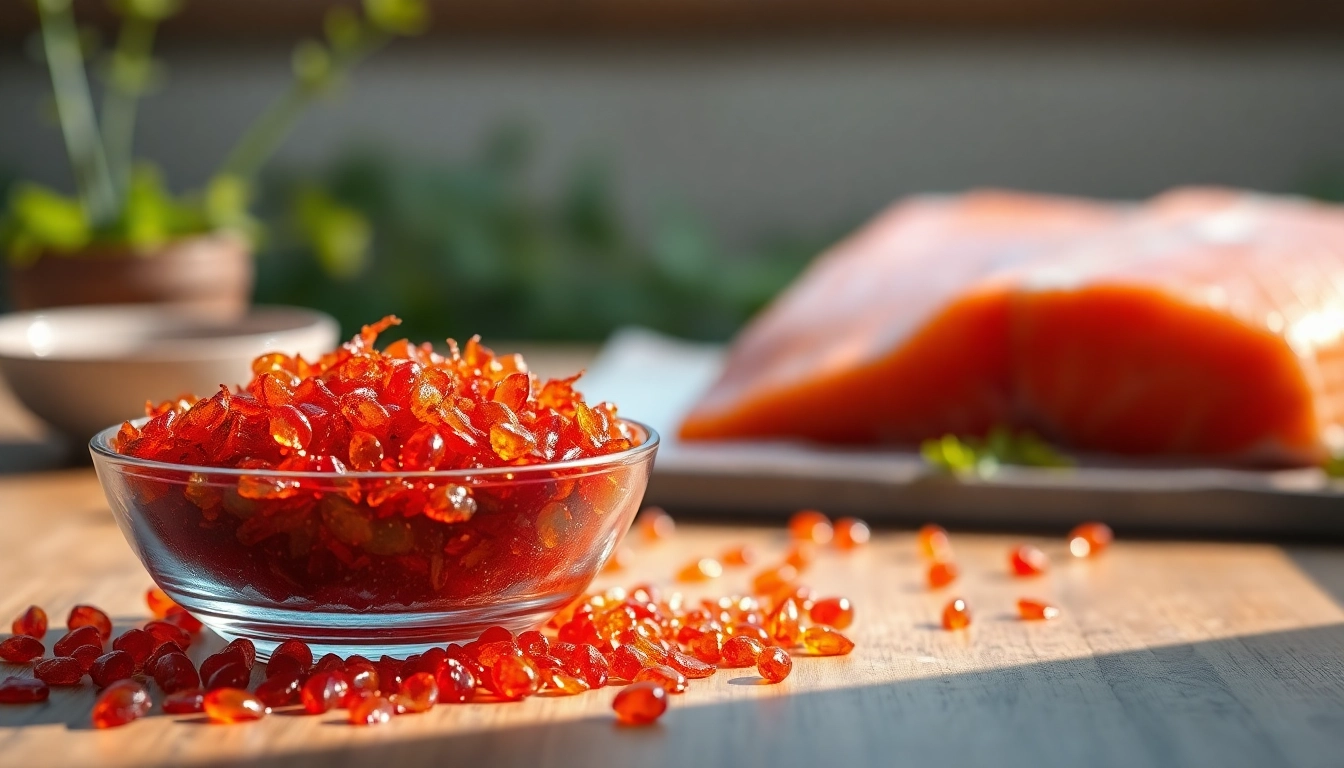
- Salmon: Wild-caught varieties contain astaxanthin due to their diet, with values up to 4 mg per portion.
- Shrimp and Lobster: These crustaceans gain their pink coloration from astaxanthin, containing about 1-3 mg per serving.
- Trout and Crab: Other marine sources that contribute to dietary intake.
Health Benefits Linked to Astaxanthin ORAC Value
Antioxidant Properties
The robust antioxidant properties of astaxanthin are due in part to its unique molecular structure, allowing it to scavenge free radicals more effectively than many other antioxidants. Research suggests that astaxanthin can neutralize reactive oxygen species (ROS) and has 6000 times more antioxidant power than vitamin C. Regular consumption may lead to significant health benefits, including reduced inflammation and increased cellular health.
Effects on Skin Health
Astaxanthin has garnered attention for its positive effects on skin health. Studies have suggested that the antioxidant properties of this carotenoid can protect skin from UV damage and improve skin elasticity and moisture retention. It may also help reduce the appearance of fine lines and wrinkles, making it a popular ingredient in skincare formulations. People using astaxanthin have reported improved skin complexion and reduced signs of aging.
Impact on Eye Health
Eye health is another area where astaxanthin shines. It has been shown to help reduce the risk of eye diseases such as macular degeneration and cataracts. The carotenoid accumulates in the retina and provides protection against oxidative stress. Clinical studies have indicated that astaxanthin may improve visual acuity and reduce eye fatigue, making it a valuable supplement for those who spend long hours in front of screens.
How to Incorporate Astaxanthin into Your Diet
Food Sources of Astaxanthin
While astaxanthin supplements are available, incorporating natural food sources is a great way to reap the benefits. Include the following in your diet:
- Wild-caught salmon and other fatty fish
- Shellfish such as shrimp and crab
- Microalgae oil supplements, which are particularly rich in astaxanthin
Supplementation Options
For those looking for a concentrated source of astaxanthin, supplements are a viable option. Available in capsule or oil form, they can provide higher doses than those typically found in food. When selecting a supplement, it is advisable to choose products from reputable brands that ensure quality and contain natural sources of astaxanthin.
Recommended Dosages
The ideal dosage of astaxanthin may vary based on individual health needs and conditions. However, many studies utilize dosages ranging from 4 to 12 mg per day, with evidence supporting safety at these levels. Always consult a healthcare professional before starting any new supplement regimen to determine the appropriate dosage for your specific health goals.
Comparing Astaxanthin ORAC Value with Other Antioxidants
Astaxanthin vs. Vitamin C
Vitamin C is well-known for its antioxidant benefits, offering an ORAC value of about 1,500. In contrast, astaxanthin’s ORAC value is believed to be upwards of 40,000, making it significantly more potent in combating oxidative stress and chronic disease.
Astaxanthin vs. Curcumin
Curcumin, the active compound in turmeric, is another powerful antioxidant with an ORAC value around 160,000. While curcumin is remarkable for its anti-inflammatory properties, astaxanthin provides broad-spectrum antioxidant action that includes protection from cardiovascular issues and skin aging.
Astaxanthin vs. Lutein
Lutein, a carotenoid known for its role in eye health, has an ORAC value of approximately 1,000-3,000. Although it plays a critical role in eye health, astaxanthin’s higher ORAC value indicates superior antioxidant potential, making it a more influential player in protecting overall health.
FAQs About Astaxanthin ORAC Value
What is the ORAC value of astaxanthin?
The astaxanthin ORAC value is approximately 40,000, reflecting its powerful antioxidant capacity.
Are astaxanthin supplements safe to take?
Generally, astaxanthin supplements are considered safe when taken within the recommended dosages, but it’s best to consult a healthcare provider.
How does astaxanthin benefit athletic performance?
Astaxanthin may improve athletic performance by enhancing endurance, reducing muscle fatigue, and supporting recovery due to its antioxidant properties.
Can astaxanthin improve cognitive function?
Some studies suggest that astaxanthin could support cognitive function by combating oxidative stress in brain cells, although more research is needed.
What foods are highest in astaxanthin?
Foods highest in astaxanthin include wild-caught salmon, shrimp, and algae-based supplements rich in this carotenoid.