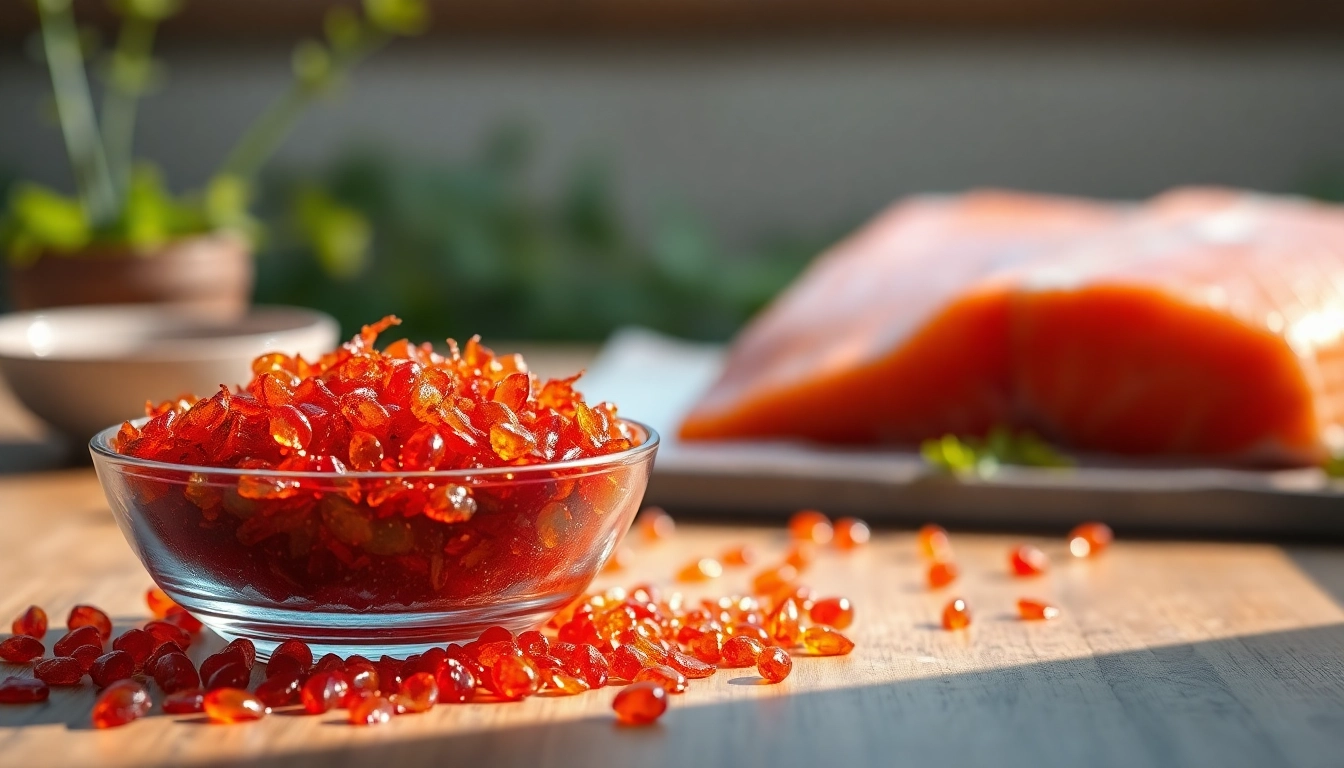
Understanding Natural Astaxanthin
In the ever-evolving landscape of nutritional science, natural astaxanthin has emerged as a powerful antioxidant that is gaining attention for its remarkable health benefits. This carotenoid, primarily found in certain algae and seafood, offers a multitude of advantages ranging from anti-inflammatory properties to skin health enhancement. As consumers become more aware of the role that supplements play in wellness, natural astaxanthin is becoming increasingly popular for those seeking to improve their overall health and athletic performance. In this article, we will explore the fundamentals of this nutrient, examining its sources, health benefits, dietary integration, and emerging trends in research.
What is Natural Astaxanthin?
Natural astaxanthin is a red pigment belonging to the carotenoid family, prevalent in various marine organisms, particularly in microalgae. Unlike its synthetic counterparts, natural astaxanthin is derived from sources like Haematococcus pluvialis, a freshwater microalga known for its high astaxanthin content. It serves a critical role in protecting the algae from environmental stress, ultraviolet light, and other harmful factors, which explains its potent antioxidant properties.
Sources of Natural Astaxanthin
Natural astaxanthin can primarily be sourced from:
- Microalgae: The richest source, particularly Haematococcus pluvialis.
- Seafood: Salmon, shrimp, and lobster are famous for their natural astaxanthin content. Wild-caught salmon, in particular, is renowned for its vibrant red color due to this carotenoid.
- Supplement Formulations: Many dietary supplements offer concentrated forms of astaxanthin extracted from natural sources.
The Science Behind Astaxanthin's Benefits
Astaxanthin is often regarded as one of the most potent antioxidants found in nature. Research has shown that its unique molecular structure allows it to span cell membranes, providing protection from oxidative stress and inflammation. When looking at supplementation, the bioavailability of natural astaxanthin plays a significant role in how effectively it can be utilized by the body. Studies suggest that it can improve cellular membrane integrity, thereby enhancing overall cellular health and function.
Health Benefits of Natural Astaxanthin
Antioxidant Properties and Cellular Protection
The primary health benefit of natural astaxanthin lies in its exceptional antioxidant properties. According to research, astaxanthin is up to 6000 times stronger than vitamin C and 550 times more effective than vitamin E. This incredible potency helps combat free radicals in the body, which can otherwise lead to chronic diseases and aging. Regular consumption of astaxanthin can support cellular protection, allowing for better organ function and enhanced longevity.
Supporting Skin Health and Appearance
Natural astaxanthin has gained recognition in the beauty and skincare industry due to its skin-protective effects. Studies indicate that astaxanthin can enhance skin elasticity, reduce the appearance of fine lines and wrinkles, and improve overall skin texture. Moreover, its anti-inflammatory properties can help mitigate skin conditions such as acne and rosacea, making it a valuable addition to wellness routines focused on skin health.
Enhancing Athletic Performance and Recovery
Athletes and fitness enthusiasts have begun incorporating natural astaxanthin to improve performance and recovery. Research suggests that astaxanthin may enhance stamina by increasing the body's oxygen capacity. Furthermore, its anti-inflammatory benefits can reduce muscle soreness and speed up recovery time after intense workouts. As a result, astaxanthin is often considered an essential supplement for those aiming to enhance their physical performance.
Natural Astaxanthin in Your Diet
Incorporating Astaxanthin into Daily Meals
Incorporating natural astaxanthin into your daily diet can be both delicious and simple. Here are a few suggestions:
- Seafood Dishes: Include salmon, shrimp, or crab in your meals; they provide a natural source of astaxanthin.
- Algae Supplements: Consider adding spirulina or other algae supplements as they also contain astaxanthin.
- Smoothies: Blend in powdered astaxanthin supplements with fruits and vegetables for a nutritional boost.
Recommended Dosages for Optimal Benefits
The recommended dosage of natural astaxanthin varies depending on the intended use; however, studies suggest a range of 4 to 12 mg per day for general health benefits. Athletes may benefit from higher dosages, but it’s essential to consult with a healthcare professional to determine the right amount based on individual health needs.
Potential Side Effects and Considerations
While natural astaxanthin is generally considered safe for most individuals, some may experience mild side effects such as digestive discomfort or changes in skin color. It’s crucial to start with lower doses and gradually increase while monitoring for any adverse effects. Pregnant or nursing individuals should consult their healthcare provider before starting supplementation.
Comparing Astaxanthin Supplements
Different Forms: Pills, Powders, and Foods
Natural astaxanthin is available in various forms, including pills, soft gels, powders, and as part of whole foods. Each form has its benefits:
- Pills and Soft Gels: Convenient and easy to consume, provide precise dosing.
- Powder: Versatile for smoothies and cooking, allowing for creative culinary uses.
- Whole Foods: Offers additional nutrients and health benefits beyond just astaxanthin.
Choosing High-Quality Astaxanthin Products
When selecting astaxanthin supplements, consider factors such as sourcing, extraction methods, and certifications. Look for products that use high-quality, sustainably sourced microalgae, and those that are third-party tested for purity and potency. Reviews and product comparisons can also provide insight into the effectiveness of different brands.
User Reviews and Case Studies
User experiences can provide valuable insights into the effectiveness of astaxanthin supplements. Many users report improvements in skin health, increased energy levels, and better performance during workouts. Case studies highlight its potential in reducing inflammation and enhancing recovery in both athletic and non-athletic populations, making it a versatile option for health enthusiasts.
Future Trends in Natural Astaxanthin Research
Emerging Studies and Breakthroughs for 2026
Research into the benefits of natural astaxanthin is continually evolving, with new studies emerging that examine its effects on brain health, metabolic syndrome, and chronic disease prevention. As interest in natural health products grows, more rigorous clinical trials are expected, providing deeper insights into its potential therapeutic applications.
Natural Astaxanthin and Preventive Health
Preventive health is becoming a focal point in modern wellness. As a powerful antioxidant, astaxanthin may play a crucial role in reducing the risk of age-related diseases, heart disease, and certain cancers. Ongoing research is expected to illuminate its potential in maintaining long-term health and wellness.
Potential Innovations in Extraction and Delivery
The future of natural astaxanthin may also include advancements in extraction methods to enhance bioavailability and potency. Innovations in nano-delivery systems could allow for more effective absorption, maximizing the health benefits of this powerful carotenoid. These advancements may lead to new formulations and applications in dietary supplements and functional foods.
What’s Next for Astaxanthin in Holistic Health?
The intersection of natural astaxanthin with holistic health practices is an area ripe for exploration. Its anti-inflammatory and antioxidant properties align well with holistic approaches to health, emphasizing balance and natural solutions. Expect to see astaxanthin become increasingly integrated into holistic wellness strategies, including nutrition, skincare, and athletic training.
Frequently Asked Questions
What is the best source of natural astaxanthin?
The best source of natural astaxanthin is microalgae, particularly Haematococcus pluvialis, but seafood like salmon and shrimp also offer significant amounts.
How does astaxanthin compare to other antioxidants?
Astaxanthin is considered one of the most potent antioxidants, offering stronger free radical protection than vitamin C and E, making it a valuable addition to antioxidant-rich diets.
Can natural astaxanthin be harmful in high doses?
Natural astaxanthin is generally safe, but high doses can lead to side effects like skin discoloration or digestive issues. Always consult a healthcare professional for guidance on dosage.
What foods are rich in natural astaxanthin?
Foods rich in natural astaxanthin include wild-caught salmon, shrimp, lobster, and algae supplements, providing a diverse range of dietary options for optimal nutrient intake.
How long does it take to see results from astaxanthin?
Individuals may begin to notice improvements in skin health and athletic performance within 2-12 weeks of consistent astaxanthin supplementation, depending on the dosage and individual response.