Understanding AI Photorealistic Image Generation
In recent years, the use of AI in image generation has revolutionized the creative landscape, offering new tools that empower designers, artists, and marketers to produce high-quality visuals that were once only achievable through traditional means. This technological advancement centers around the concept of photorealism, where the goal is to create images that are indistinguishable from real-life photographs. As we move into 2026, understanding the capabilities and nuances of the AI photorealistic image generator is crucial for anyone involved in visual content creation.
What is an AI Photorealistic Image Generator?
An AI photorealistic image generator uses advanced algorithms, particularly those based on deep learning and neural networks, to transform textual descriptions into realistic images. By analyzing vast datasets of images and their accompanying textual annotations, these generators learn to interpret and visualize descriptions in a manner that closely aligns with human creativity. This technology not only streamlines the creative process but also enhances the quality of visual content, making it accessible to individuals without formal artistic training.
How AI is Transforming Image Creation
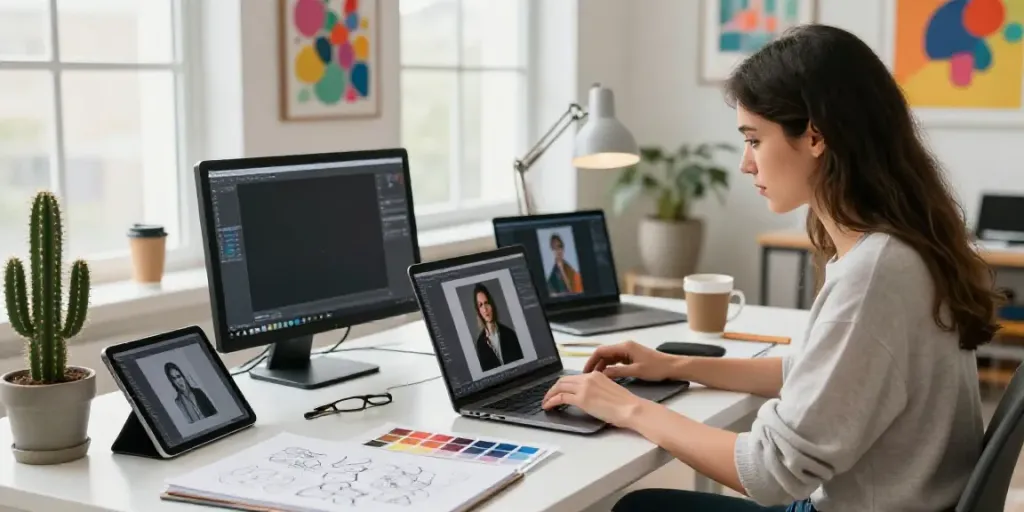
AI is fundamentally changing the way images are created by integrating automation and advanced computational techniques. Designers can input descriptive text prompts, and the AI generates images that reflect the input with high realism and detail. This transformation extends to various fields, including advertising, gaming, and art, providing solutions that save time and increase productivity. For instance, AI-generated images can be customized rapidly based on client feedback, allowing for a more iterative and flexible design process.
Benefits of Using AI in Design Projects
The incorporation of AI photorealistic image generators into design workflows offers several key benefits:
- Efficiency: Automating the image creation process reduces the time spent on manual tasks, freeing designers to focus on conceptual development.
- Cost-effectiveness: These tools can lower production costs by minimizing the need for expensive photo shoots or hiring professional photographers for every project.
- Enhanced Creativity: AI can suggest new ideas and variations that designers might not have considered, expanding the creative potential.
- Accessibility: Individuals without extensive design skills can produce high-quality images, democratizing the field of visual creation.
Key Features to Look for in AI Photorealistic Image Generators
With numerous AI tools available, identifying the right one can be challenging. Here are some essential features to consider:
Quality of Output and Realism
The primary criterion for choosing an AI image generator should be the quality of output. Look for tools that have been trained on diverse datasets and can produce images with high fidelity and realistic textures. Key aspects include lighting, shading, and the ability to accurately depict human features and backgrounds.
User-Friendly Interfaces and Accessibility
A user-friendly interface is crucial, especially for those less technical in nature. Intuitive design workflows and easy navigation ensure that users can maximize the tool's potential without overwhelming complexity. Additionally, check if the tool is accessible on various platforms, including desktop and mobile devices.
Integration with Design Software
Compatibility with existing design software is vital for seamless workflows. The best AI image generators should integrate with popular design tools like Adobe Creative Suite or Figma, allowing for easy importing and exporting of images. This feature enables designers to augment their projects effortlessly.
Comparative Analysis of Leading AI Tools
To identify the best AI photorealistic image generator for your needs, consider a comparative analysis of leading tools available in the market today. Evaluate them based on features, user feedback, and specific use cases.
Feature Comparison Matrix of Top Generators
A comprehensive feature comparison matrix can provide insights into the capabilities of various AI generators. Key factors to include are:
- Image quality
- Speed of generation
- Cost
- Ease of use
- Support and training resources
User Reviews and Ratings for 2026
Reviews from actual users can provide valuable insights into the performance and reliability of different AI image generation tools. Platforms such as G2 or Capterra often host user-generated content that can guide potential buyers in their decision-making process.
Case Studies: Successful Projects Using AI Tools
Highlighting various case studies can illustrate the practical applications of AI image generators across industries. For example:
- A marketing agency that utilized AI to create a campaign for a product launch, significantly reducing time and costs associated with traditional photography.
- An indie game developer who harnessed AI-generated landscapes to prototype game environments, enabling rapid iteration based on player feedback.
Common Challenges and Misconceptions
Despite the advantages, there are challenges and misconceptions surrounding AI photorealistic image generation that users should be aware of.
Debunking Myths About AI Image Quality
One common myth is that AI-generated images lack quality or originality. While early iterations of AI tools were indeed rudimentary, advancements have led to remarkably high-quality outputs that can rival professional photography. Understanding these advancements is essential for utilizing AI effectively.
Navigating Licensing and Copyright Issues
Another issue to consider is the potential for copyright infringement. Users must carefully review the licensing agreements associated with AI tools to ensure they have the rights to use generated images, especially for commercial purposes. Clarity in licensing can prevent legal complications down the line.
Understanding Limitations of AI Technology
While AI tools are powerful, they are not infallible. Users should be aware of the limitations of AI, such as occasional inaccuracies in rendering complex scenes or human features. Recognizing these limitations is crucial for setting realistic expectations about the technology.
Future Trends in AI Image Generation
As we look towards the future, several trends are emerging that will shape the landscape of AI image generation.
What to Expect in 2026 and Beyond
In 2026, we can expect further refinement in AI algorithms that will lead to even more realistic and contextually accurate images. Enhanced computing power and more extensive datasets will allow AI to generate images that not only look real but also convey emotional depth and storytelling.
Emerging Technologies and Innovations
Technologies such as augmented reality (AR) and virtual reality (VR) will intersect with AI image generation, providing immersive experiences that were previously unimaginable. As these technologies evolve, they will create new opportunities for user engagement and interaction with visual content.
How Designers Can Stay Ahead of the Curve
To remain competitive, designers should continuously update their skill sets and familiarize themselves with emerging AI tools. Engaging in professional development, attending workshops, or participating in online forums can provide insights and best practices for leveraging AI effectively.
What is the most photorealistic AI image generator?
The title of the most photorealistic AI image generator is often contested among various platforms. However, tools like Leonardo AI and Canva's Realistic Image Generator have received high acclaim for their exceptional image quality and user-friendliness.
Can AI generate photorealistic images?
Yes, AI can generate photorealistic images with a high degree of realism, thanks to advancements in machine learning algorithms. These tools can now render intricate details, textures, and lighting that mimic real-life photography.
Are there free AI image generators available?
There are several free AI image generators that offer limited features while providing access to basic functionalities. Tools like Fotor and Artlist allow users to create images without upfront costs, though premium features may require subscriptions.
Can AI tools be used for commercial projects?
Many AI image generators have specific licensing agreements that allow for commercial use. However, it is essential to read and understand the terms of service of each tool to ensure compliance and avoid potential legal issues.
How do I choose the right AI image generator for my needs?
Choosing the right AI image generator involves assessing your specific requirements, such as the type of images you need, your budget, and the level of integration with existing tools. Additionally, considering user reviews and trial versions can help inform your decision.